
Volunteering in Kenya with the HIV Project
Do you want to improve the lives of those suffering from HIV/AIDS? Do you have a desire to see the rate of infection lowered and eventually eliminated?
Kenya has a deep and rich history, with a large range of diverse and fascinating cultures living side by side. The people are friendly and welcoming, and love to see foreign visitors to their country. Not only that, but everywhere you go, you will see amazing landscapes, vistas, and wildlife, presenting an untouched and gorgeous environment.


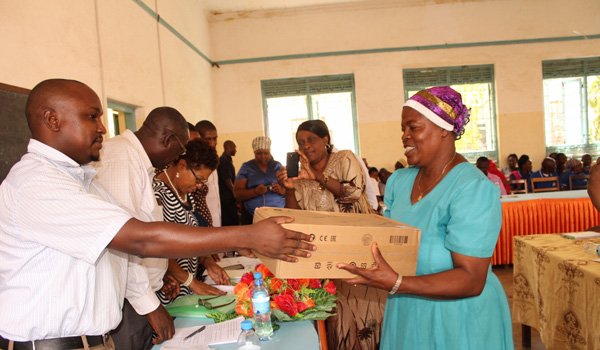
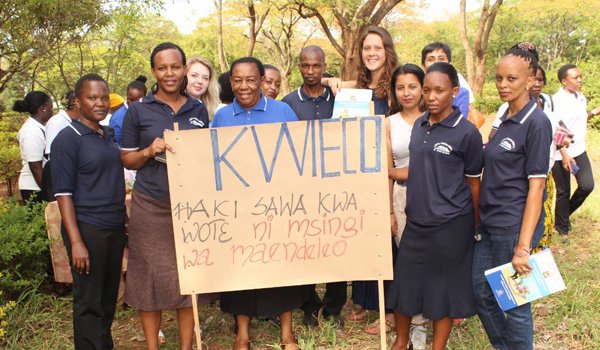

Sadly, Kenya has a severe, generalized HIV epidemic. And there is a critical lack of manpower and resources in the healthcare sector, especially in smaller local hospitals located in more remote and rural areas. With the country struggling with HIV/AIDS, they desperately need volunteers to fill this manpower gap.
While volunteering in Kenya with the HIV project, you will help spread awareness of the infection and how to prevent it, work closely with doctors in treating those infected, and provide hope and counselling to people who feel otherwise neglected by society.
This project will allow you to provide hope and care to people neglected by their society, and also travel through and experience one of the most beautiful countries in the world.
Take a minute to complete the form and we will be in touch.
HIV Volunteering in Kenya: At a Glance
Program Objectives
Support HIV/AIDS awareness & care to improve lives
Program Start Dates
Programs begin every Monday
Volunteer Duration
Select from 1 to 12 weeks
Volunteer Commitment
Up to 5 hours per day
Eligibility
Volunteers 18 years and older, including families
Accommodation/Food
Host Family - 3 Home-Cooked Meals/Day
Skills and Qualifications
While you do not need any specific education or experience to join this HIV/AIDS project, volunteers need to be kind, patient, and flexible, and have a deep love for poor and sick people. You also need to have a great passion for helping others and making the world a better place.
Volunteer Responsibilities and Impact
When you join our AIDS volunteer project in Kenya, you will assist in counseling patients, both at the placement location and in their homes with their families, providing support as well as tips on health, nutrition, and sanitation. You will also assist with feeding programs and keeping patient records. Finally, you will also be spreading awareness of the dangers of HIV/AIDS.
Volunteering in this HIV program in Kenya is an amazing lifechanging project both for you and others. Your work will help give hope to those infected with HIV and help bring down the rate of infection across the country by spreading awareness. You will thus have a direct hand in improving the health of not only the current population, but also future generations.
Volunteer Schedule
During your time on this HIV/AIDS volunteer project in Kenya, every day will be as exciting as the last, and you’ll get to work and live together with local people, immersing yourself in their culture and learning about their way of life. The friendliness and welcoming nature of the locals are sure to make you feel appreciated and at home.
First Day : On your first day of volunteering in the Kenya project, you will be escorted to your placement by a local coordinator and introduced to the placement staff you will be working with. The day will be spent getting to know them, the facilities, and your duties going forward.
Weekdays: Your volunteer work in the HIV/AIDS project in Kenya properly starts on the second day, and while every day will be different, a typical volunteer day will follow this pattern:
7.00 to 7.30 AM: Your loving host-family will provide you with a delicious home-cooked meal that you can enjoy together.
7.45 AM: Once you’re filled up with a delicious breakfast, it’s time to start your full day of helping unfortunate HIV victims in Kenya.
12.00 PM: Around noon, there will be a break for lunch.
3.00 PM: At this time, your work for the day will usually be over, and the rest of the evening is your free time to spend in any way you wish, or simply head back to your host family to relax and recharge.
6.45 PM: Your host-family will provide you with a delicious home cooked dinner and some great company during your meal, giving you a fantastic chance to learn more about them, their culture, and their way of life.
Dates and Fees
Program Dates
IFRE programs begin every Monday year-round. If you have travel constraints, you can still start your chosen program on any day of the year.
Our Fees
IFRE is the most trusted and respected volunteer abroad organization in the world, and also the most affordable. We’re dedicated to providing the highest-quality volunteer programs at the lowest fees, making it possible for everyone, especially students, to travel internationally and make a positive impact on the lives of others.
We believe in 100% transparency. Rest assured, we never use middlemen. Your one-time registration fee of $299 covers our administrative costs. The low weekly program fee goes directly to your host family and includes housing, food, project donation, and minor expenses. IFRE is a non-profit organization, so your program fees are tax-deductible.
Kenya HIV/AIDS Awareness Volunteer Program Fee (US$)
| Weeks | HIV/AIDS |
|---|---|
| 1 Week | $200 |
| 2 Weeks | $320 |
| 3 Weeks | $440 |
| 4 Weeks | $560 |
| 5 Weeks | $680 |
| 6 Weeks | $800 |
| 7 Weeks | $920 |
| 8 Weeks | $1,040 |
| 9 Weeks | $1,160 |
| 10 Weeks | $1,280 |
| 11 Weeks | $1,400 |
| 12 Weeks | $1,520 |
Program Fees Cover:
- Accommodation
- Food
- Program Orientation
- In-country support
- Personalized project
- Pre-departure information
- Certificate of completion
- Fundraising ideas and letters
- Discount for returning volunteers
Program Fees Exclude:
- Visas
- Airfare
- Personal expenses on soft drinks and foods
- Daily transportation
- Airport return transfer
Take a minute to complete the form and we will be in touch.
Accommodation and Meal
While you volunteer at the HIV project in Kenya, you will be welcomed into the home of an incredible and warm-hearted host family. From the moment you arrive, they will go out of their way to ensure you feel completely at ease, offering a safe and nurturing environment where you can truly settle in. Your host family understands the importance of creating a home-away-from-home experience, making sure that you feel both comfortable and secure throughout your stay.
In addition to providing a safe and welcoming space, your host family enjoys engaging with volunteers, creating opportunities for meaningful cultural exchange. They are eager to share insights about their traditions, way of life, and local community, while also learning from you and your own experiences. This open dialogue helps build mutual respect and understanding, enriching both your volunteer experience and the connection you have with the people you meet in Kenya.
Furthermore, your host family will take great care in ensuring you are well-fed, offering you delicious, home-cooked Kenyan meals three times a day. Each meal will be a reflection of Kenya's rich culinary traditions, providing you with a chance to savor authentic flavors that are both nutritious and satisfying. Your hosts will be attentive to your dietary needs, ensuring that you’re always well-nourished and ready to make the most of your volunteering work.
This close-knit environment not only fosters a sense of belonging but also enriches your experience as a volunteer, allowing you to gain a deeper understanding of Kenyan culture while making a meaningful impact on the HIV volunteering project in Kenya.
Learn more about our great host families and living arrangements for you in Kenya.
Program Location, Free Time, and Weekend Exploration
Program Location: Nairobi
Your HIV volunteer placement will be in Nairobi, Kenya’s vibrant and rapidly developing capital, where you will contribute to HIV prevention, care, and education programs. Nairobi is home to a range of community-based organizations and healthcare facilities dedicated to addressing the challenges of HIV/AIDS. As an HIV volunteer, you will work closely with local healthcare professionals, counselors, and educators to raise awareness, provide testing, support patients, and promote HIV prevention strategies in underserved communities. Nairobi offers a unique backdrop for this impactful work, with a blend of modernity and rich cultural heritage that allows you to witness firsthand the resilience of communities facing HIV-related challenges.
Free Time:
Your Kenya HIV volunteer program schedule will generally consist of 4–5 hours per day, Monday to Friday, leaving you with ample free time. This is an excellent opportunity to immerse yourself in Kenyan culture by spending time with your host family, exploring the city, or learning about the local customs and languages. You could also visit local markets, cafes, and cultural sites, or participate in social activities with other volunteers. Some volunteers take part in local health-related workshops, offering a deeper understanding of the country’s healthcare landscape while also making meaningful connections with local people.
Weekend Exploration: Saturdays and Sundays
The weekends are your time to explore the beauty and diversity of Kenya. From Nairobi, you can take a trip to nearby attractions such as the Nairobi National Park, where you can see wildlife just outside the city, or visit the famous Giraffe Centre and the Karen Blixen Museum. For those interested in more extensive exploration, weekend trips to the Maasai Mara for a safari, or Lake Naivasha for its stunning landscapes, are fantastic options. Whether you're seeking adventure, nature, or a cultural immersion, Kenya offers unforgettable weekend experiences that will complement your impactful HIV/AIDS Kenya volunteer work during the week.
Read more about some of the great experiences you can have while working in Kenya.
In-Country Support
Nothing is more important than safety, and we here at IFRE take our responsibility to keep you safe and comfortable very seriously. Having helped more than 22,000 volunteers from all over the world, we have vast experience in making sure your safety is never put in question. We will assist you with anything you need before leaving, and our in-country coordinator will be available to you 24/7 to assist with anything you might need.
Learn more about our commitment to your safety and our network of in-country support in Kenya.
Cultural Immersion Opportunities
Volunteering in HIV/AIDS care in Kenya offers you a profound opportunity to make a direct impact in a country that is facing significant challenges with the disease. While you contribute to the HIV/AIDS awareness and prevention efforts, you will also experience the richness of Kenyan culture firsthand.
Your placement will be close to your accommodation, making your daily routine manageable. As you work alongside healthcare professionals and local outreach teams, you will not only support HIV/AIDS prevention and treatment efforts but also gain valuable experience working in a resource-constrained healthcare environment.
In addition to your HIV/AIDS Kenya volunteer experience, you will live with a host family, allowing you to immerse yourself in Kenyan traditions, share meals, and form connections with the local community. Depending on the season, you may also have the chance to take part in local cultural events or health outreach initiatives, deepening your understanding of the local context and the importance of HIV/AIDS education.
These experiences will enrich your time in Kenya, giving you both professional and personal fulfillment as you contribute to important public health efforts.
Take a minute to complete the form and we will be in touch.
Volunteer Testimonials
What people say about us
It taught me compassion in a real way. The work felt sensitive, respectful, and human.
- Connor, UK
Being part of this project gave me a new understanding of dignity, strength, and community care.
- Sofia, Portugal
This experience changed how I see service. It wasn’t about helping, it was about standing beside people.
- Elliot, Canada
This project was emotionally heavy but deeply meaningful. The resilience of the people I met will stay with me forever.
- Isabelle, France
Frequently Asked Questions - FAQs
What is the main goal of the HIV/AIDS volunteer program in Kenya?
The main goal of the HIV/AIDS volunteer program in Kenya is to support local health organizations in reducing the spread of HIV while improving the quality of life for people living with HIV/AIDS.
Why is HIV/AIDS volunteering important in Kenya?
HIV/AIDS remains a major public health challenge in many parts of Kenya, particularly in rural and low-income communities, and many people lack access to proper healthcare education, testing facilities, and counseling services.
HIV/AIDS volunteer programs help address these gaps by providing education on prevention, encouraging regular testing, and supporting people living with HIV.
What kind of community outreach activities do HIV/AIDS volunteers participate in?
Volunteers participate in community awareness campaigns, school health education sessions, and public seminars about HIV prevention. You may also distribute educational materials, assist local staff during health workshops, and help organize community events focused on safe health practices.
Can volunteers assist with HIV counseling and support services?
Yes. Volunteers in HIV/AIDS support projects in Kenya can assist trained counselors by helping organize support groups, facilitating community discussions, and providing emotional support to individuals affected by HIV.
Will volunteers work in clinics or community health centers?
Many HIV/AIDS volunteers in Kenya divide their time between community outreach programs and local health clinics. In clinics, you assist with administrative tasks, patient support services, and health education programs. In community settings, you participate in outreach visits to schools, neighborhoods, and public spaces to educate people about HIV prevention and treatment resources.
How do HIV/AIDS volunteers help reduce stigma in Kenyan communities?
This is one of the key roles of the project. Volunteers help achieve this by promoting open conversations about HIV, educating communities about how the virus spreads, and emphasizing that HIV can be managed with proper treatment.
What skills can volunteers gain from the HIV/AIDS volunteer program in Kenya?
Participating in an HIV/AIDS volunteer program abroad allows volunteers to develop valuable skills such as community health education, cross-cultural communication, public health awareness, and teamwork.
Is medical experience required for the HIV/AIDS volunteer program in Kenya?
No. Prior medical experience is not required for HIV/AIDS volunteer opportunities in Kenya. Most volunteer roles focus on community education, awareness campaigns, and support activities rather than clinical treatment.
Do volunteers participate in HIV awareness campaigns in schools?
Yes. Volunteers assist with HIV awareness campaigns in local schools. These sessions focus on educating young people about HIV prevention, safe health practices, and the importance of testing and treatment.
What role do volunteers play in HIV prevention education?
Volunteers support HIV prevention efforts by helping educate communities about safe practices, the importance of regular testing, and available treatment options. Prevention education includes presentations, workshops, and discussions that address common misconceptions about HIV transmission and promote healthier behaviors.
Can volunteers help with HIV testing programs?
In most cases, trained medical professionals conduct HIV testing. However, volunteers can assist by helping organize testing events, managing patient registration, distributing educational materials, and supporting the logistics of testing campaigns.
What types of communities benefit from HIV/AIDS volunteer programs in Kenya?
HIV/AIDS volunteer programs often focus on underserved communities where access to healthcare education and services is limited. These include rural villages, low-income urban neighborhoods, and communities with high HIV infection rates.
How do volunteers support families affected by HIV/AIDS?
Volunteers participate in home visits, community support groups, and awareness programs that help families affected by HIV/AIDS. They often provide emotional support, help organize educational workshops, and participate in initiatives to improve the well-being of affected families.
What challenges might volunteers encounter in HIV/AIDS projects?
Volunteers encounter challenges such as limited healthcare resources, language barriers, and cultural differences in discussing sensitive health topics. These experiences also provide valuable learning opportunities and help volunteers develop cultural sensitivity and adaptability.
What cultural considerations should volunteers keep in mind when working in HIV programs?
Volunteers should respect local cultural beliefs and practices related to health and community life. HIV/AIDS education can be a sensitive topic in some communities, so volunteers are encouraged to approach discussions with respect, empathy, and cultural awareness.
Where do volunteers stay during the HIV/AIDS volunteer project in Kenya?
Volunteers stay with a carefully selected local host family in a safe and welcoming community. Living with a host family provides volunteers with a unique opportunity to experience authentic Kenyan culture, traditions, and daily life, and build good relationships with local people.
How far is the HIV/AIDS volunteer project site from the host family accommodation?
The HIV/AIDS volunteer project in Kenya is located within a reasonable distance from the volunteer accommodation. Most of the project activities take place in local community centers, health clinics, or outreach locations that are typically about 20 to 30 minutes from the host family home.
How many hours per day do volunteers work on the HIV/AIDS project in Kenya?
Volunteers work approximately 4 to 5 hours per day, Monday through Friday. While the work hours are manageable, volunteers are encouraged to actively participate, engage with community members, and contribute their ideas and energy to support the project and play a positive role in preventing HIV/AIDS.
Why participate in HIV Volunteering in Kenya with IFRE?
Trusted Since 2006 -IFRE's experience provides reliable opportunities to make a real impact in the fight against HIV/AIDS in Kenya.
22,000+ Happy Volunteers - Join a network of dedicated volunteers who have supported communities in overcoming the challenges of HIV/AIDS.
Affordable at $200/week -Get involved in this life-changing work without high costs—our program offers incredible value for your contribution.
Support HIV Prevention -Educate communities about HIV prevention, safe practices, and help reduce the spread of the virus.
Provide Essential Care -Assist in local clinics and outreach programs, offering direct support to individuals living with HIV/AIDS.
Empower Communities with Knowledge -Share vital information on health, wellness, and HIV/AIDS awareness, fostering long-term community health improvements.
Other Volunteer Opportunities Available in Kenya
If you’re interested in other volunteering opportunities in Kenya besides working with HIV/AIDS prevention, then IFRE offers a wide range of projects in the country for a variety of passions and interests. Whether you want to teach English, work in an Orphanage, become a medical volunteer, or do much more, there is an IFRE program for you!
Volunteer Destinations
HIV/AIDS Volunteering Programs in Other Countries
Take a minute to complete the form and we will be in touch.

Group Volunteering
Summer:
Africa:
Asia:
© 2015 ifrevolunteers.org. All rights reserved.